Tuesday, 12 May, 2026
Vision 2030: Where the shift is showing and what comes next
The focus is now on sustaining long-term outcomes and increasing integration across sectors
Rahaf H.Q., Digital Editor at Inside Saudi
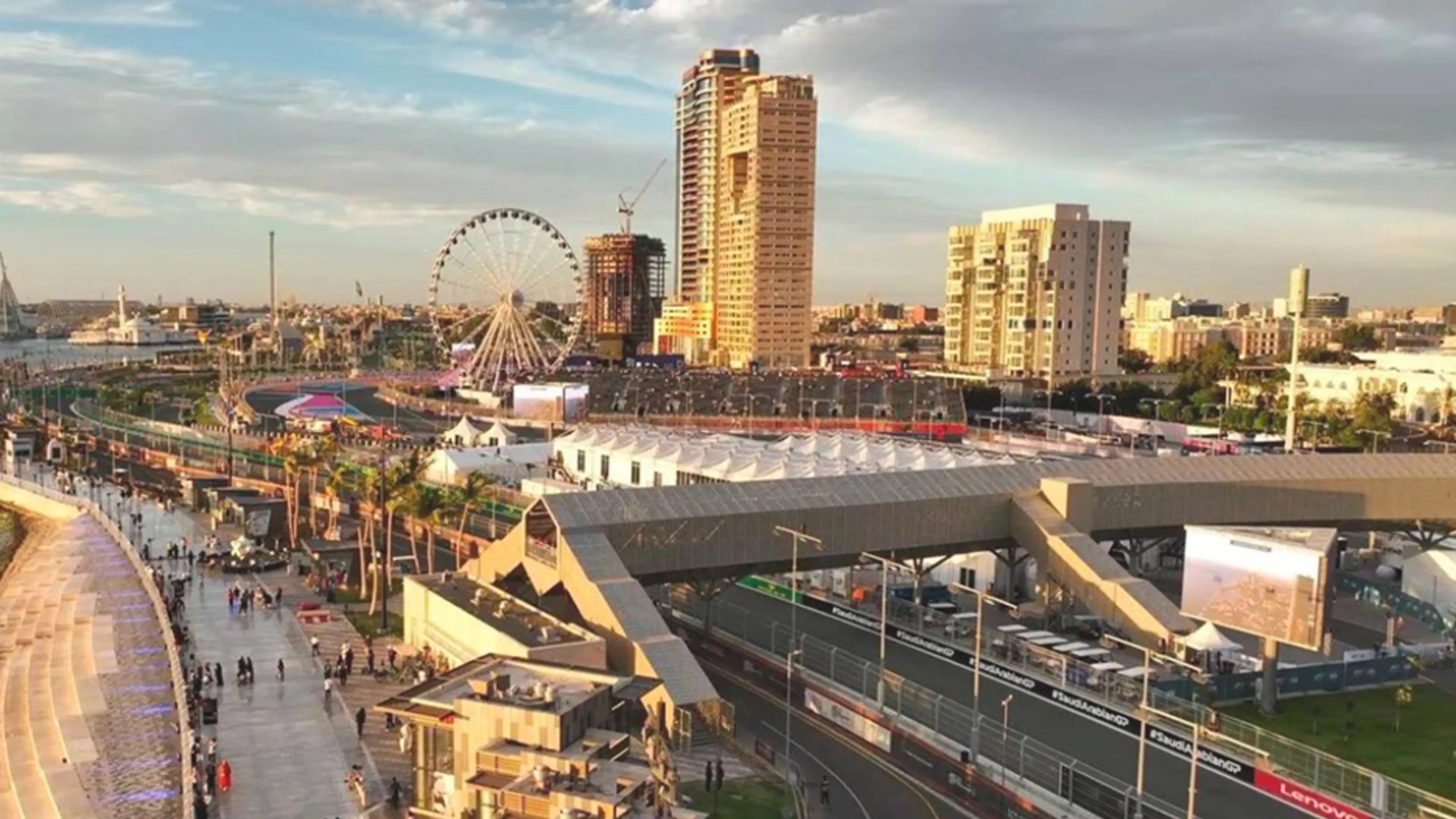
As Vision 2030 moves into its third phase (2026-2030), the conversation is no longer centered on ambition alone. The transformation is now measurable across sectors, reflected in economic structure, public services, and everyday life.
What began as a long-term national framework to diversify the economy, improve quality of life, and modernize public sector performance has evolved into a more interconnected system. The next phase is less about launching isolated initiatives and more about operating an increasingly integrated model at scale.
This shift is visible across multiple indicators. Non-oil activity now accounts for more than half of Saudi Arabia’s GDP, supported by 4.9% non-oil growth in 2025 within overall GDP growth of 4.5%. The labor market has also shifted significantly, with Saudi unemployment declining to 7.2%, compared to 12.3% in 2016. At the same time, non-oil exports have expanded to SAR 622.9 billion ($166B), reflecting the broader diversification of the production base and the growing contribution of multiple industries.
These changes are taking place within a relatively stable macroeconomic environment. Inflation remains around 2%, while Saudi Arabia has advanced to 17th place in global competitiveness rankings, reflecting broader improvements in the business environment and institutional performance.
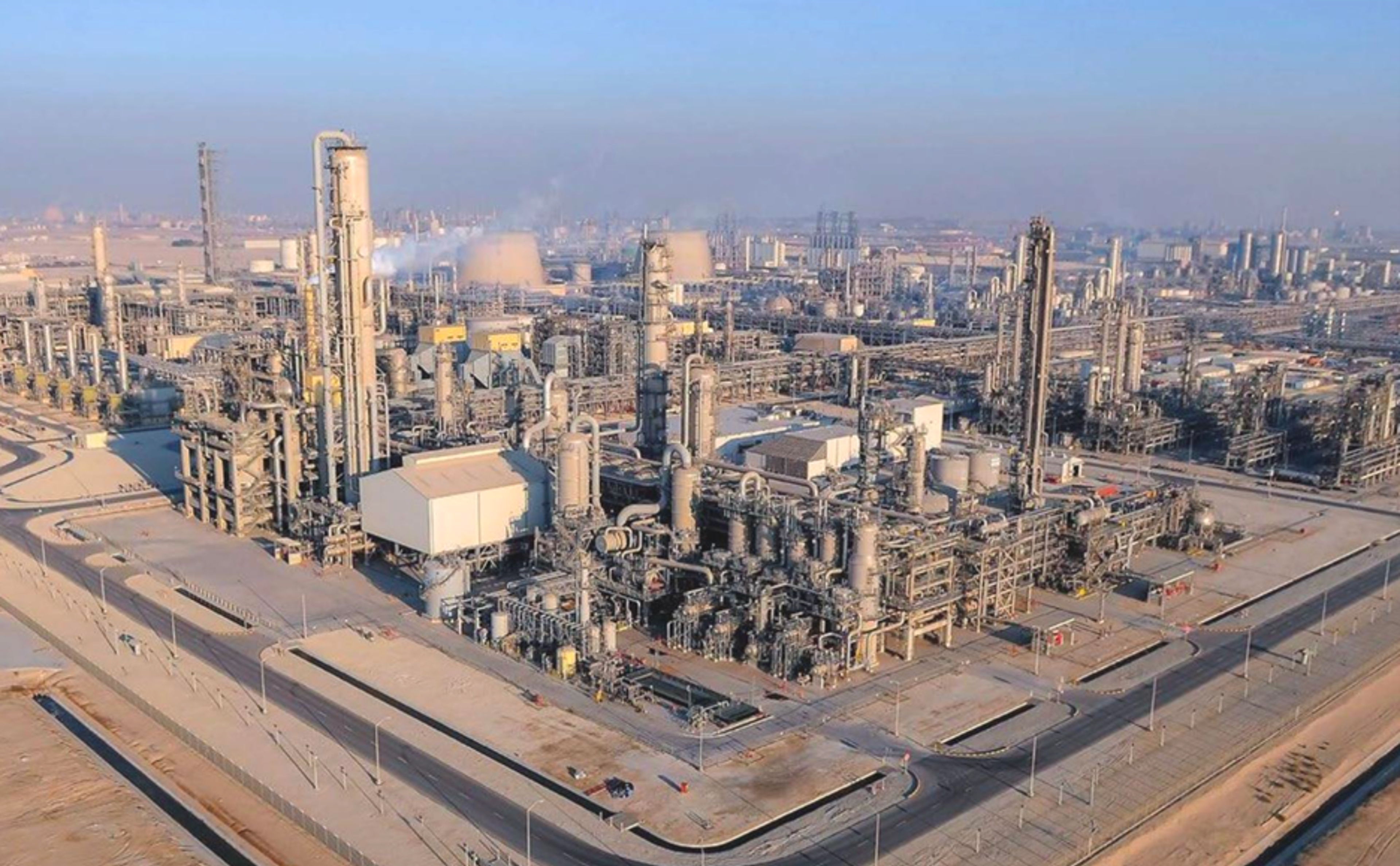
The transformation is equally visible through social and lifestyle indicators. Home ownership among Saudi households has reached over 66%, surpassing targets set for this stage of the Vision. Religious tourism continues to expand, with international Umrah pilgrims exceeding 18 million annually, supported by infrastructure development and digital platforms such as Nusuk.
Healthcare access now covers 97.5% of population clusters, while service quality indicators have improved to 70.4%. Physical activity participation has risen to 59.1%, reflecting wider investment in public facilities, sports infrastructure, and national participation programs.
The same pattern appears in civic participation and cultural growth. Volunteer numbers have reached 1.75 million, compared to only 22,9000 in 2015, while the nonprofit sector now contributes 1.4% to GDP. Saudi Arabia’s cultural presence has also expanded internationally, with the number of UNESCO World Heritage Sites reaching eight.
Behind these indicators sits a broader execution framework that has increasingly shifted from planning toward operational maturity.
A total of 1,290 Vision initiatives has been activated, with 935 completed and 225 progressing as planned, bringing the share of completed or on-track initiatives to around 90%. Performance is tracked through 390 indicators, with 309 meeting or exceeding targets and another 52 approaching them. This framework allows for continuous monitoring, recalibration, and execution at scale.
This operational maturity is shaping the next phase of Vision 2030. The focus is now moving beyond rapid expansion toward sustaining long-term outcomes and increasing integration across sectors. Several Vision Realization Programs introduced during earlier stages including programs focused on privatization and financial sustainability have already transitioned into broader institutional frameworks, reflecting a shift from foundational setup to long-term governance and implementation.
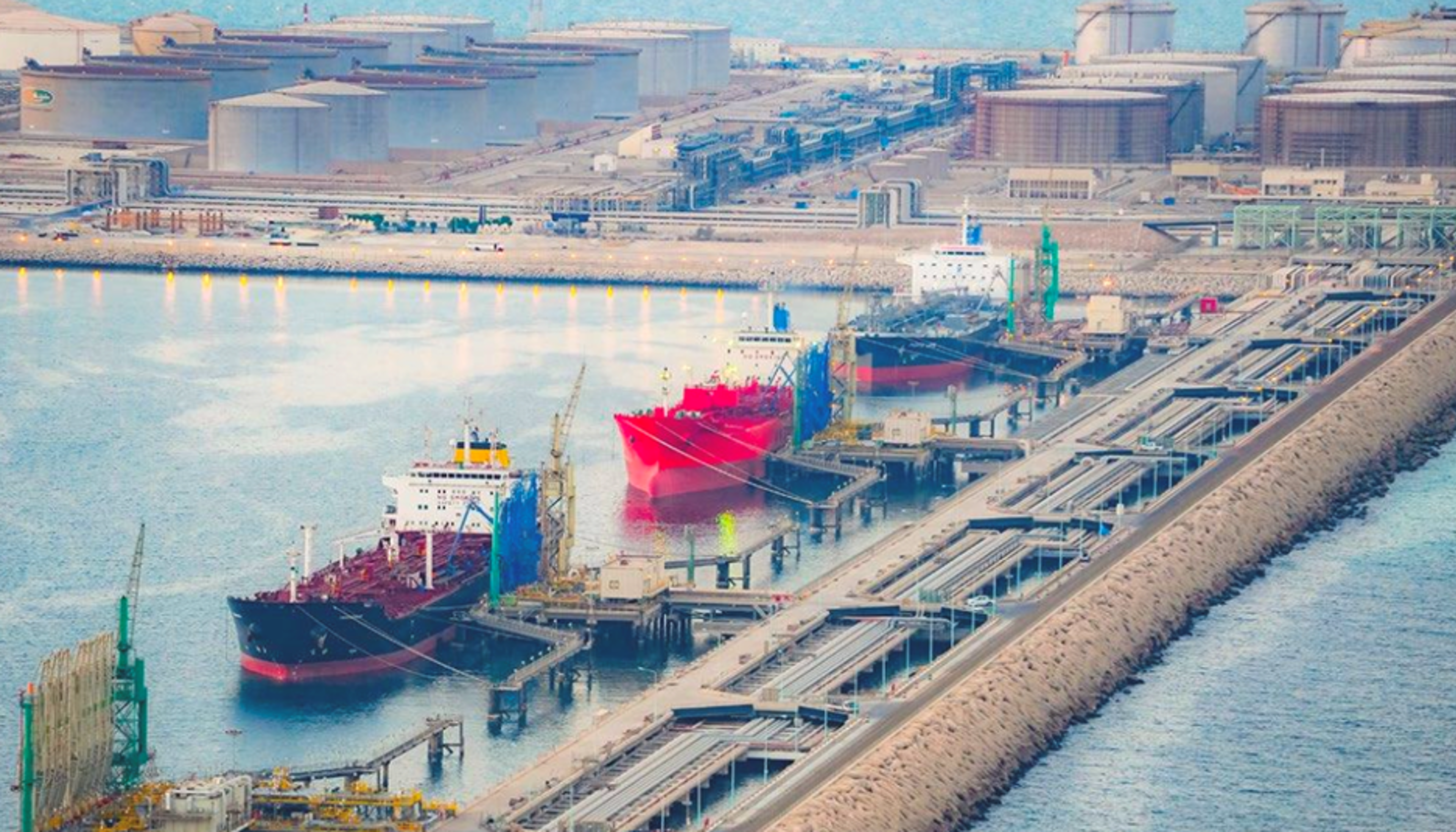
At the center of this transition is the increasing interconnectedness between sectors. Industrial development is becoming more closely tied to supply chain localization and export capacity. Logistics continues to strengthen Saudi Arabia’s position as a connector between Asia, Europe, and Africa through ongoing investment in ports, airports, and transport infrastructure. In energy, investment now spans both traditional and renewable sources, alongside growing capabilities in clean energy.
The Public Investment Fund continues to play a central role across this system, driving investment into tourism, entertainment, urban development, advanced manufacturing, and technology. Rather than operating independently, these sectors are increasingly overlapping and reinforcing one another.
This broader integration is perhaps the clearest signal of where Vision 2030 is heading next. The current phase is no longer solely defined by the launch of giga projects or headline announcements. Instead, the emphasis is shifting toward how efficiently this growing ecosystem operates, how sectors generate long-term value together, and how gains are sustained over time.
Tourism, entertainment, logistics, manufacturing, urban development, and energy are all moving into a deeper stage of operation: one where performance is measured not only through expansion, but through sustained returns, institutional resilience, and long-term economic contribution.
The direction itself remains consistent with the Vision’s original framework. What has changed is the level of maturity.
The transformation is no longer theoretical. The indicators are visible, the infrastructure is operating, and the system itself is entering a phase focused less on building momentum and more on managing it.