Thursday, 23 April, 2026
2026: Saudi Arabia's Year of AI
How the Kingdom's new economy is taking shape
Rahaf H.Q., Digital Editor at Inside Saudi
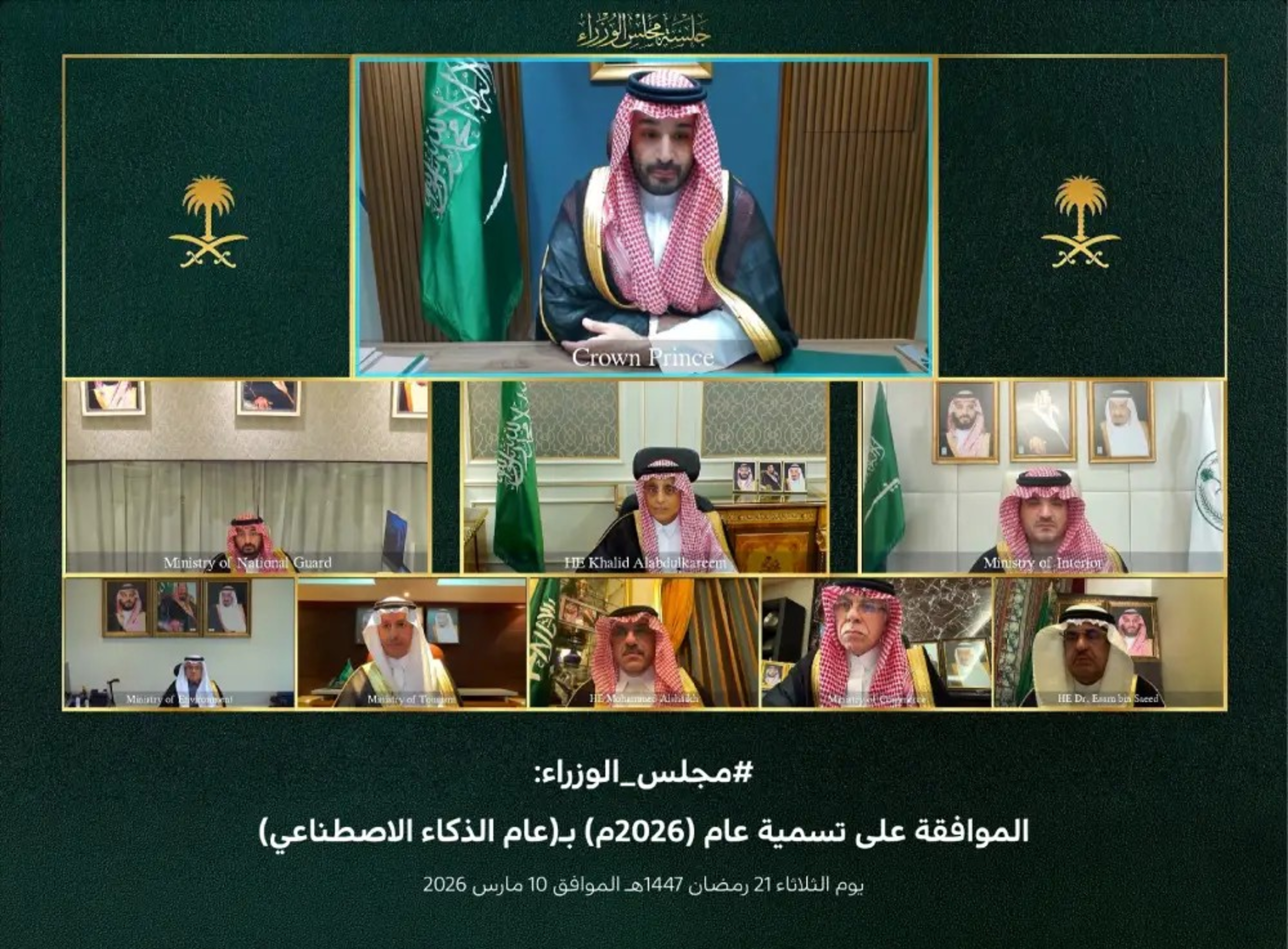
Saudi Arabia has announced that 2026 will be the Year of Artificial Intelligence, a move that reflects the growing role these technologies now play in the Kingdom’s economic transformation. The announcement is not a stand-alone initiative or a sudden shift in direction. Rather, it signals a more advanced stage in a project the Kingdom has been building for years — one centered on a data-driven economy, sustained investment in digital infrastructure, and the development of institutions capable of guiding this transition.
Over the past few years, Saudi Arabia has steadily laid the foundations for this path. This has included launching national strategies for data and artificial intelligence, establishing the regulatory frameworks that govern the sector, and investing in the infrastructure required to scale advanced technologies across the economy.
From Vision to Institutions
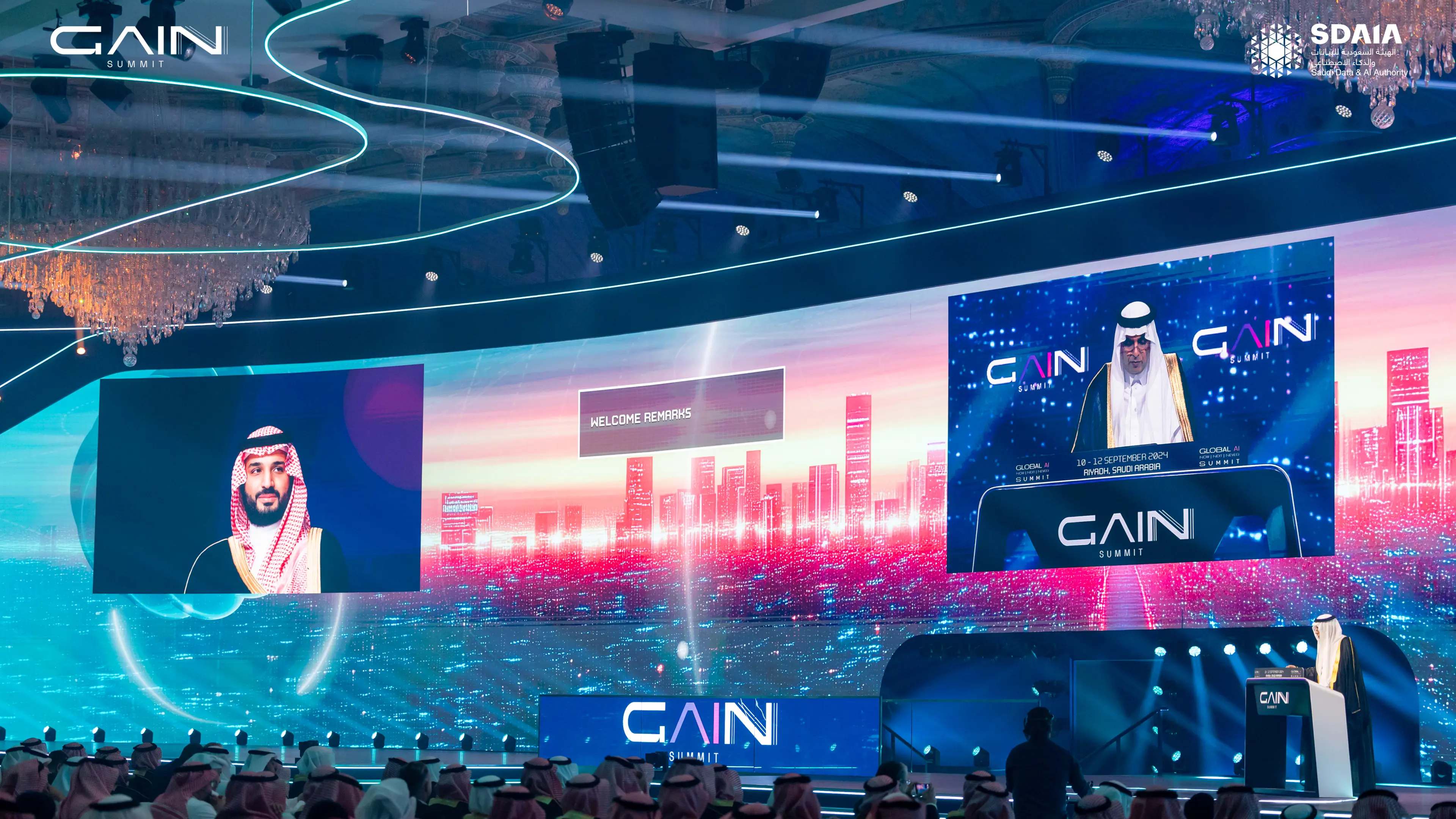
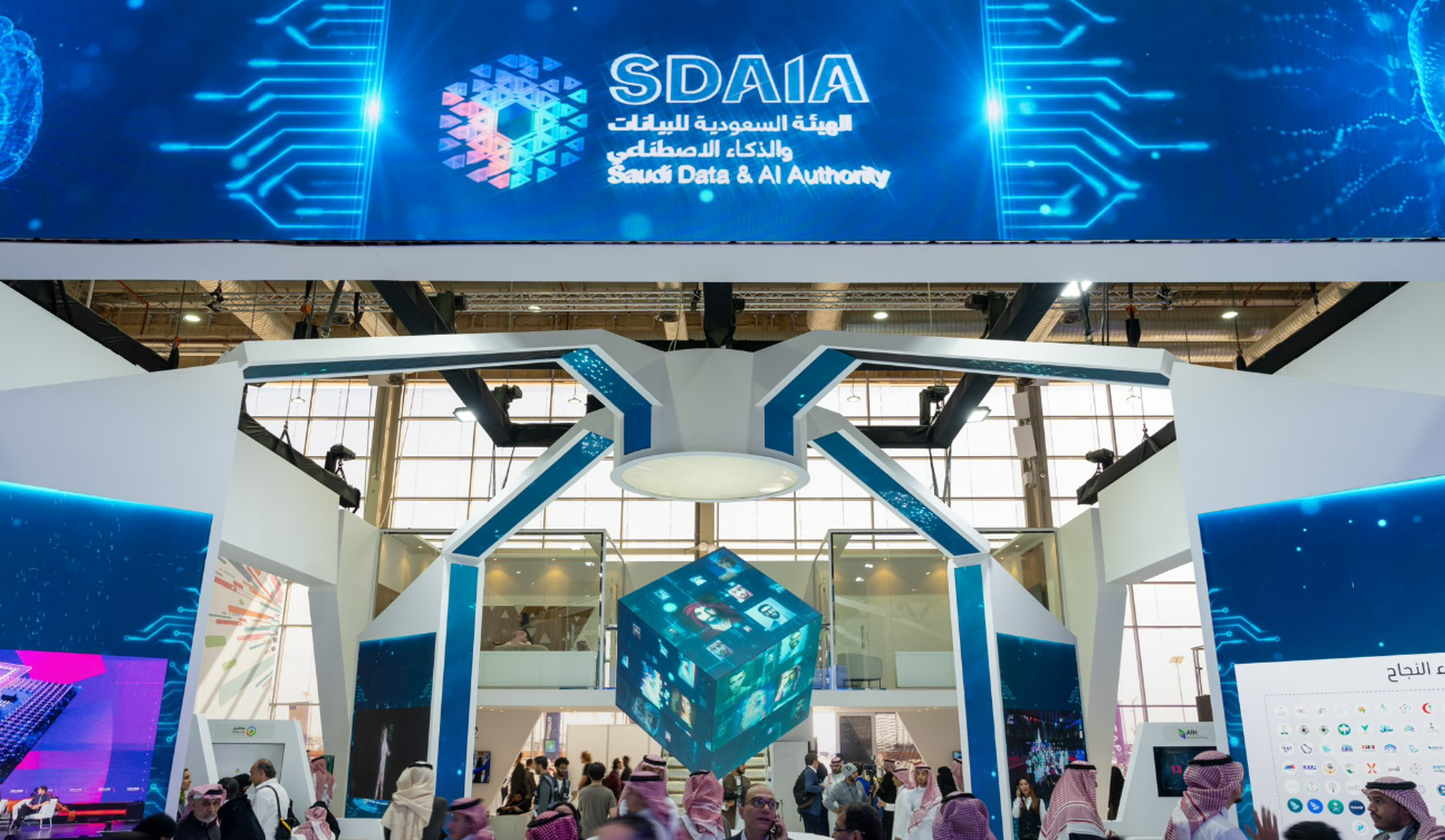
A defining step in this journey was the establishment of the Saudi Data and Artificial Intelligence Authority (SDAIA) in 2019. SDAIA acts as the Kingdom’s regulatory authority for data and artificial intelligence, overseeing national policy, governance frameworks, and strategic direction for the sector.
Through SDAIA, Saudi Arabia introduced the National Strategy for Data and Artificial Intelligence, designed to position the Kingdom as a global leader in the field. The strategy does not treat artificial intelligence as a purely technological discipline. Instead, it frames AI as a tool for improving productivity, enhancing public services, and enabling the development of entirely new economic sectors.
Yet strategy alone is not enough. An economy built on advanced technologies ultimately depends on infrastructure capable of running them.
The Digital, Energy and Minerals Infrastructure Behind the New Economy
In the case of artificial intelligence, infrastructure extends beyond software platforms or data architecture. At its core, AI depends on massive computing capacity — and therefore on energy and mineral access.
Data centers, which power AI systems and cloud computing, are among the most energy-intensive assets in the modern economy and key applications of metals such as copper and nickel.
As global demand for computing power accelerates, access to stable and competitively priced electricity has become one of the decisive factors determining where digital infrastructure is built. This is where Saudi Arabia holds a structural advantage — the Kingdom’s large-scale energy production and competitive electricity costs make it one of the most cost-efficient environments globally for operating hyperscale data centers.
Historically, Saudi Arabia has secured mineral resources through international investments and offtake agreements, such as the $2.5 billion investment completed by Manara Minerals (a PIF-Ma’aden joint venture) in 2024 for a 10% stake in Vale's base metals unit, which involved not just equity but offtake rights for copper and nickel.
The Kingdom is also accelerating its push into mining. At the Future Minerals Forum in January, Industry Minister Bandar Al-Khorayef revalued the Arabian Shield's untapped resources at $2.5 trillion, with gold copper and rare earth elements in its reserves.
As a result, Saudi Arabia is increasingly positioning itself not only as a market for digital services, but as a strategic location for global computing infrastructure.
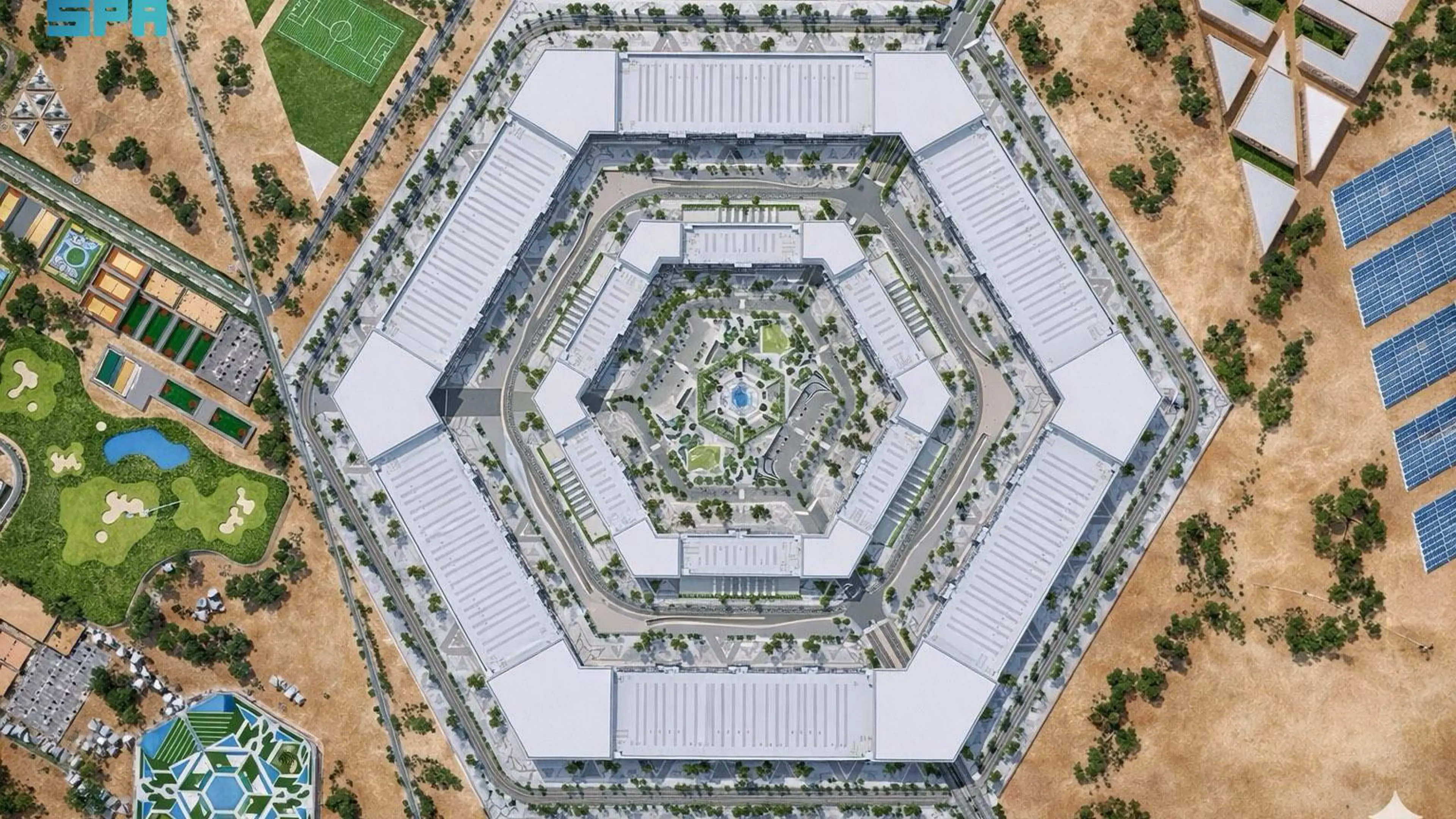
One of the most prominent examples is the Hexagon Data Center in Riyadh, developed under the oversight of SDAIA. Designed to Tier IV (99.995% uptime) standards, the facility is expected to deliver around 480 megawatts of computing capacity, placing it among the largest government-backed data center projects in the world.
Hexagon is part of a broader pipeline of AI infrastructure emerging across the Kingdom. These include hyperscale data centers being developed by Humain in Riyadh and Dammam, the DataVolt AI campus in Oxagon, and expanding cloud infrastructure from global technology companies such as Oracle, Google, Microsoft, and Amazon, all of which are strengthening their regional presence in Saudi Arabia.
Taken together, these developments illustrate a broader shift. Saudi Arabia is not only building digital frameworks for artificial intelligence — it is also developing the energy- and resource-backed computing capacity required to support the next generation of the global AI economy.
As this infrastructure takes shape, it is also creating the conditions for a broader innovation ecosystem to emerge around it.
Building an Ecosystem for Innovation
Alongside infrastructure development, Saudi Arabia has also worked to build platforms that connect global companies, entrepreneurs, and decision-makers around the future of technology.
In this context, Tahaluf, a Saudi-British exhibitions and events company headquartered in Riyadh, has played a growing role. The company was established through a partnership between Informa, the Saudi Federation for Cybersecurity, Programming and Drones, and the Events Investment Fund.
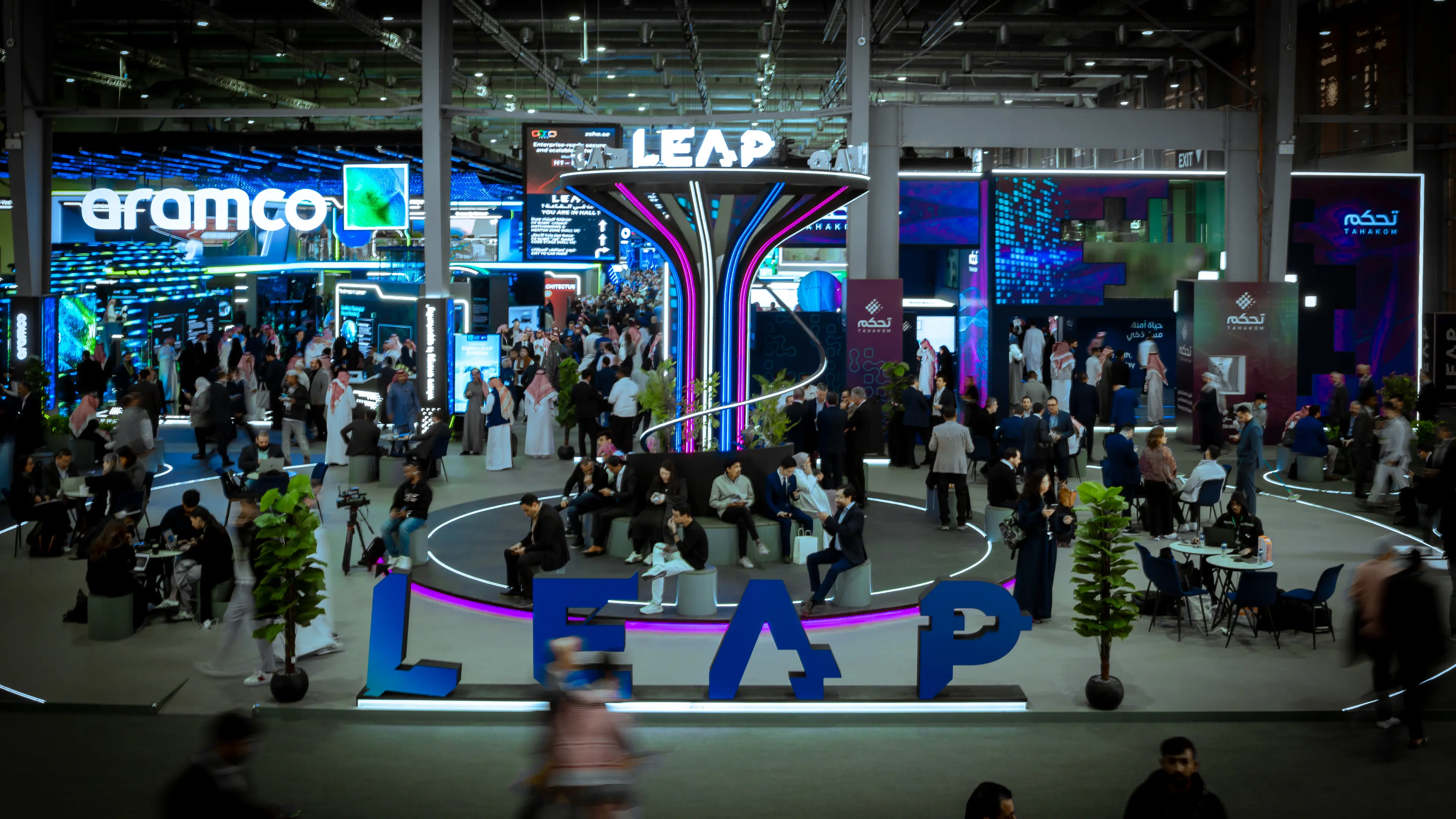
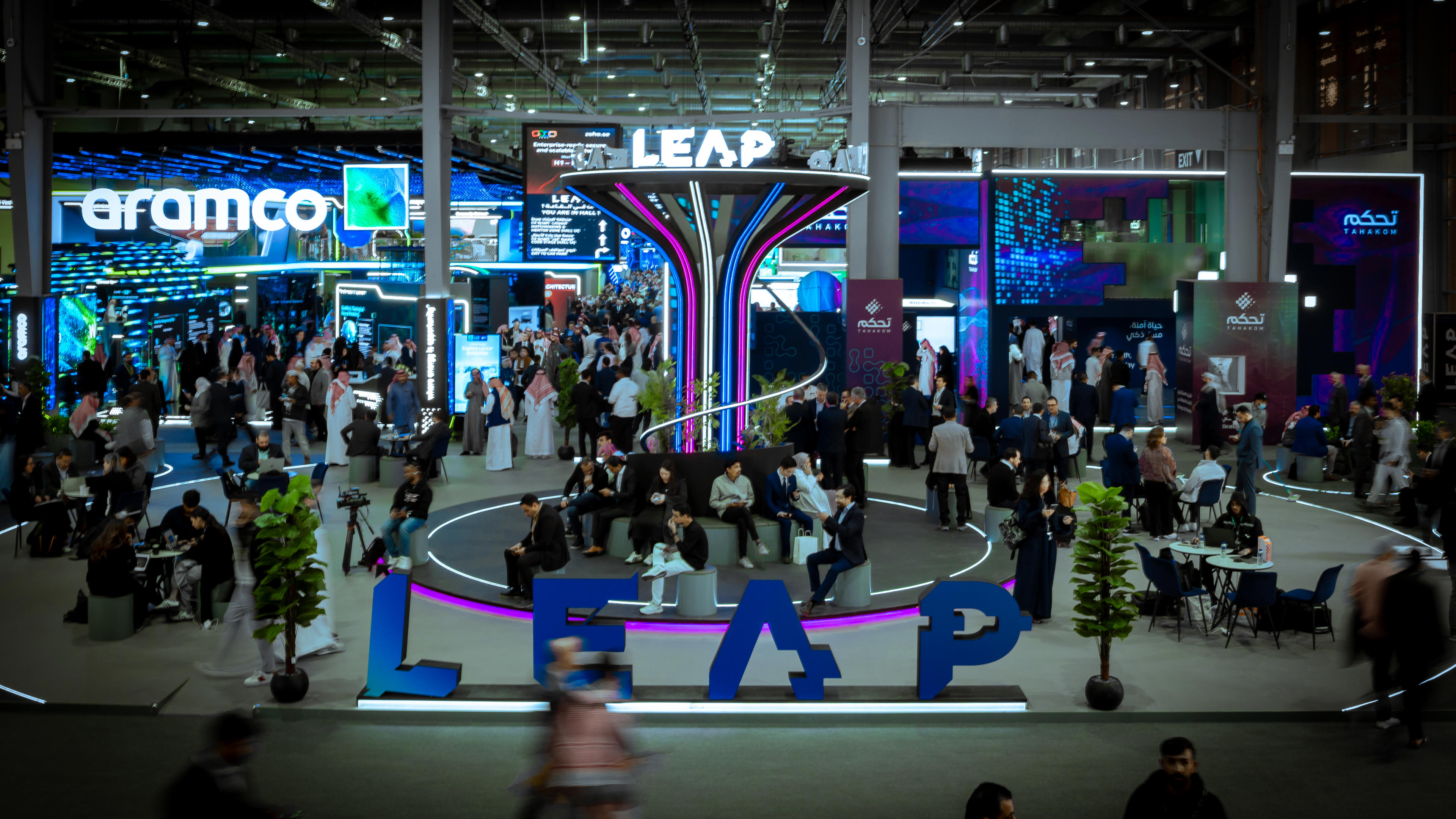
Tahaluf organizes several major technology events in the region, including LEAP, DeepFest, and Black Hat MEA. In a short period of time, LEAP has grown into one of the largest technology conferences in the world, bringing together global technology companies, investors, entrepreneurs, and policymakers to explore emerging innovations and forge new partnerships.
Events of this scale have become part of a wider ecosystem that connects the Saudi market with global networks of technology and capital. Yet the deeper impact of this transformation is becoming increasingly visible within the domestic economy itself.
A Digital Economy Expanding from Within
Saudi Arabia today represents the largest market in the Gulf Cooperation Council, both in population and economic scale, with around 37 million people and a young demographic that is increasingly driving digital adoption.
The size of this market, combined with continued investment in digital infrastructure and data capabilities, has created an environment where advanced technologies are expanding across multiple sectors — from finance and healthcare to logistics and smart city systems.
With 2026 designated as the Year of Artificial Intelligence, the Kingdom is entering a more mature phase of this transformation. Strategies, regulatory frameworks, and infrastructure investments developed over the past several years are now beginning to translate into real economic activity, with wider adoption of advanced technologies and the emergence of new technology-focused companies and ecosystems.
In this sense, artificial intelligence in Saudi Arabia is no longer simply an emerging technological field. It is increasingly becoming one of the core enablers of the broader economic transformation envisioned under Vision 2030.