Sunday, 14 June, 2026
The silent machine of luxury
Inside Riyadh's high-end couture supply chains
Rahaf H.Q., Digital Editor at Inside Saudi

When global institutional investors evaluate a luxury market, they rarely look at the runway. Instead, their attention is fixed on the back-end infrastructure: the efficiency of customs clearance, the precision of climate-controlled warehousing, and the resilience of the local talent pool.
While Saudi Arabia has firmly established itself as the leading market for luxury fashion consumption in the region, the investment narrative has shifted entirely toward the physical and structural machinery that operates this ecosystem and ensures its long-term sustainability, in line with non-oil GDP diversification mandates.
Behind the scenes, Riyadh is rapidly converting its strategic geographic position and competitive regulatory frameworks into a highly specialized regional hub for luxury fashion logistics and industrial infrastructure.
This shift is drawing robust capital inflows from global private equity, venture capital, and institutional allocators. By doing so, the capital city is architecting an operational landscape where global fashion conglomerates and localized couture supply chains can secure unparalleled resilience, safeguarding long-term asset values in a highly sophisticated market.
The logistical blueprint: Riyadh Integrated and next-gen cold chain warehousing
The primary bottleneck in scaling a luxury fashion brand globally has always been the vulnerability of its supply chain. Delicate textiles, premium silks, artisanal leather goods, and high-jewelry components require strict micro-climate storage conditions and rapid customs processing to maintain their market value and satisfy premium consumer demand.
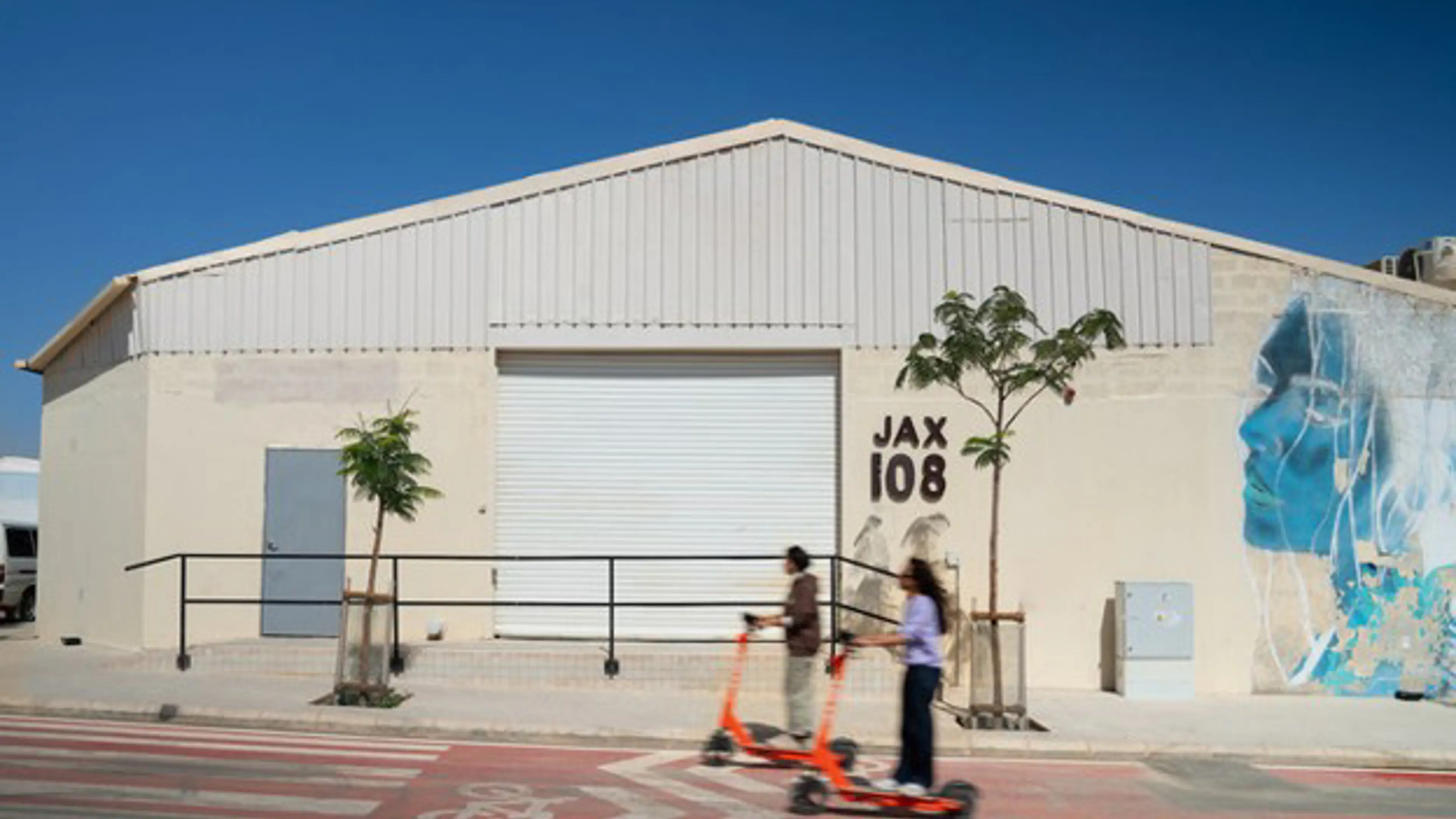
Riyadh addresses this friction directly by deploying advanced, tech-driven logistical solutions through Riyadh Integrated (formerly known as the Integrated Logistics Special Zone - ILBZ). Engineered with structural features specifically optimized for the high-end fashion economy, this premier special economic zone serves as a frictionless operational gateway connecting European and Asian fashion capitals directly to the heart of the Gulf.
The physical infrastructure within Riyadh Integrated includes state-of-the-art, climate-and-humidity-controlled distribution hubs tailored specifically for precious raw materials and archival couture collections. By keeping interior temperatures and moisture levels strictly regulated, operators can preserve everything from delicate materials to rare exotic skins without the risk of degradation.
From a regulatory standpoint, the framework governing Riyadh Integrated provides unprecedented financial incentives for institutional capital. Global luxury houses can leverage 100% foreign ownership rights, permanent corporate tax exemptions, and a zero-tariff customs suspension on imported raw materials and finished goods.
Consequently, a couture brand can ship its premium collections directly from European ateliers to a centralized, tax-sheltered distribution facility in Riyadh Integrated, clear customs via expedited digital screening protocols, and serve regional retail networks within hours rather than weeks.
Manufacturing innovation: Minimizing capex via advanced tech ecosystems
A sustainable luxury ecosystem cannot survive on logistics and warehousing alone; it requires an industrial environment where localized manufacturing and design innovation can scale while minimizing capital expenditure (CapEx) for both premium brands and emerging enterprises. Recognizing this structural demand, the Saudi Fashion Commission has established a specialized production infrastructure, most notably through the deployment of its state-of-the-art Fashion Innovation Space.
This state-backed infrastructure project completely redefines localized premium manufacturing. Rather than forcing designers and private equity investors to absorb massive upfront CapEx to construct individual production facilities, the Fashion Innovation Space offers ready-built, advanced production environments. These facilities are equipped with small-batch production lines and advanced industrial machinery, including 3D-knitting and printing laboratories, alongside material-testing labs optimized for luxury sustainable textiles.
This physical infrastructure is seamlessly integrated with the Commission's Digital Fashion Program, a tech-forward initiative designed to embed advanced technology into daily operations. The program trains brands on sophisticated 3D simulation and modeling software, such as CLO3D.
This technology enables luxury labels to design, iterate, and develop high-spec prototypes virtually before moving to physical cutting and manufacturing. This digital-to-industrial pipeline directly lowers product development costs, eliminates material waste, accelerates time-to-market, and optimizes capital efficiency for investors.
"Saudi 100 Brands" and "Fashion Incubation": A de-risked, institutional pipeline
According to structural insights from The State of Fashion in the Kingdom of Saudi Arabia 2023 report, this localized infrastructure directly resolves the historical supply gap between conceptual design and high-end retail execution. To maximize the commercial return on these physical spaces, the Commission has linked its infrastructure to highly curated, de-risked investment channels, led by the flagship Saudi 100 Brands program launched in 2021.
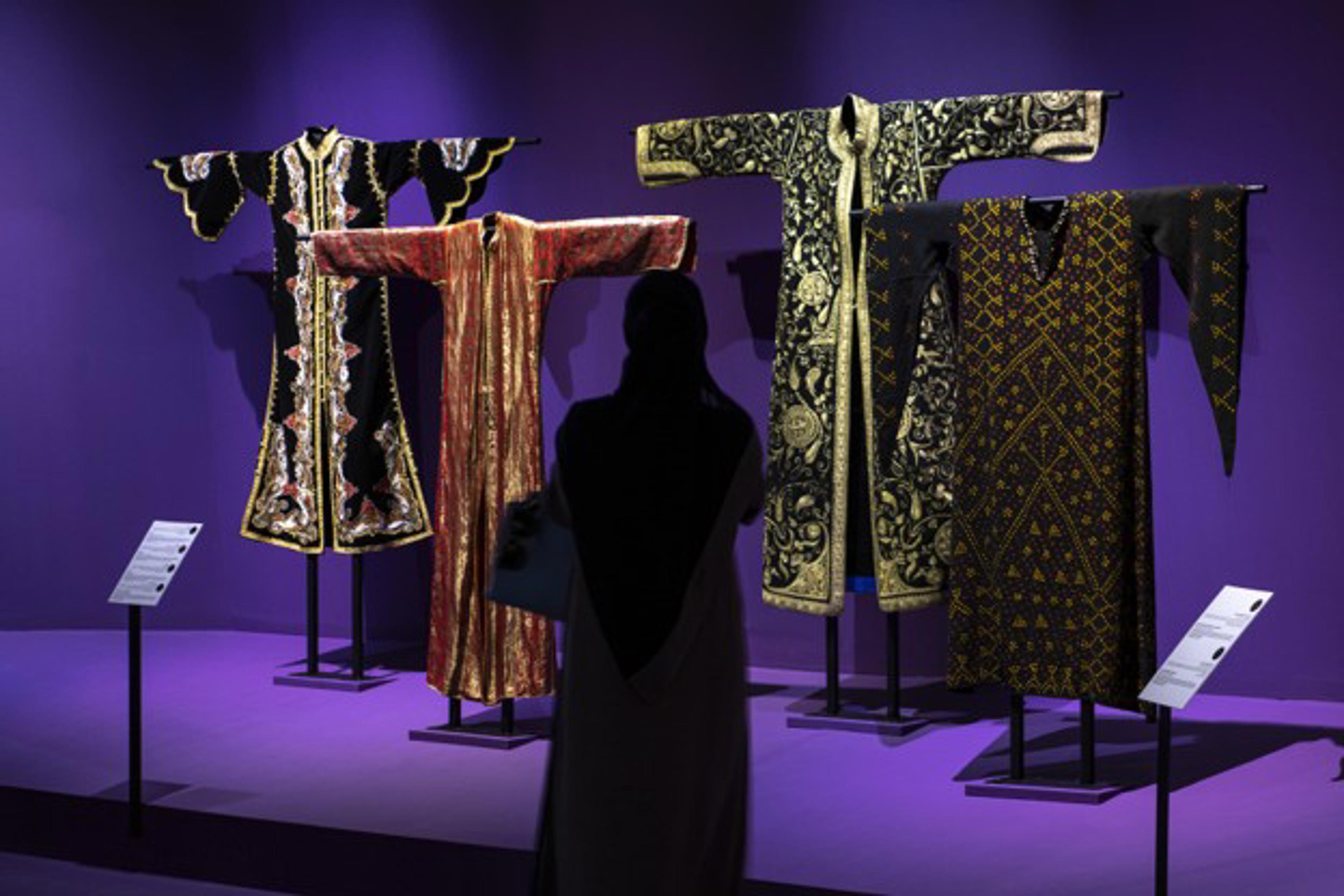
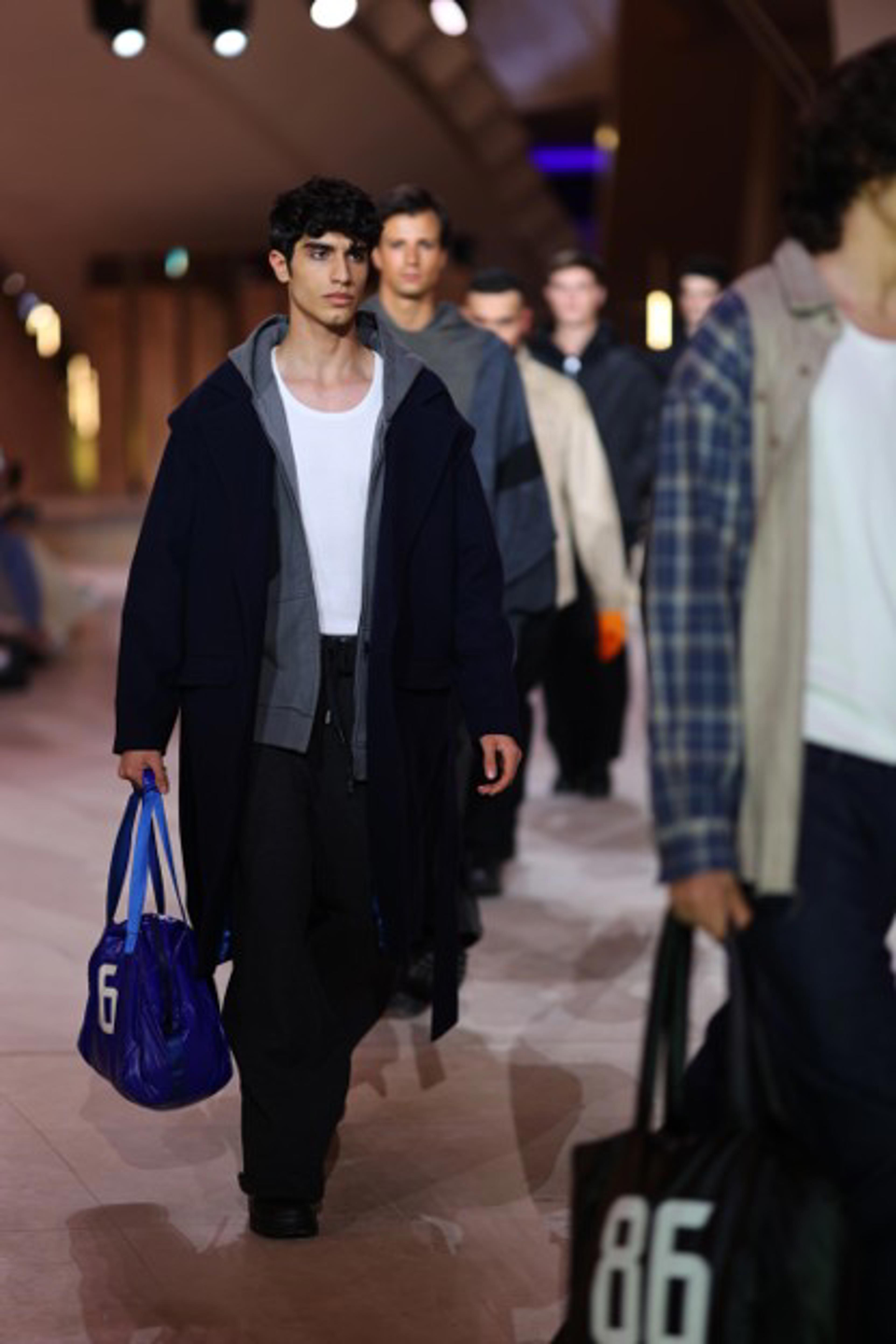
Far from a mere cultural showcase, the Saudi 100 Brands initiative functions as a highly corporate-governed asset portfolio explicitly tailored for private equity and venture capital allocators. Through this framework, the Commission has systematically audited, structured, and institutionalized 100 homegrown luxury labels across couture, jewelry, and premium accessories, elevating their operational efficiency to international corporate standards. Their commercial viability has been aggressively validated on the global stage during official show calendars at Paris, Milan, and New York fashion weeks, as well as premium domestic events such as the Saudi Cup.
This pipeline is continuously reinforced by the Fashion Incubation Program, established in early 2021 as a cornerstone for cultural entrepreneurship. The incubator operates across three distinct phases: a virtual Fashion Hackathon to solve real-world industry bottlenecks, an intensive Bootcamp to refine business models, and a multi-month Incubation Phase that structures startups administratively, secures their intellectual property, and connects them directly with private capital markets. This convergence ensures that institutional investors deploy growth capital into enterprise-ready labels operating within a high-margin domestic manufacturing perimeter.
Human capital: The institutionalization of operational expertise
An industrial infrastructure is only as effective as the specialized labor force operating it. To protect institutional investments, Saudi Arabia is actively bridging the executive skill gap, converting creative talent into a highly disciplined, enterprise-ready workforce trained across the entire supply chain. The strategic focus has expanded beyond aesthetic design into the critical business, administrative, and technological disciplines required to sustain global fashion operations.
This human capital strategy is anchored by the state-backed Cultural Scholarship Program (Fashion Pathway in partnership with NEOM), which commenced in October 2021. The program funds comprehensive undergraduate and postgraduate degrees at elite global institutions, building a pipeline of local professionals specialized in luxury brand management, advanced textile technology, predictive inventory forecasting, and global supply chain optimization.
This talent pipeline is further enhanced by specialized executive training programs launched in late 2024 in collaboration with Misk Hub, delivering practical coursework in luxury retail commerce, fashion marketing, and executive business management. For an international luxury brand looking to establish a regional headquarters or production facility in Riyadh, the risk of talent scarcity is effectively mitigated. Investors gain direct access to a bilingual, highly educated local workforce that understands both the creative nuances of premium heritage fashion and the strict metrics of corporate governance.
Collectible luxury and sustainable value streams (ESG compliance)
As Riyadh’s logistical footprint expands, it is simultaneously adapting to the modern priorities of the global luxury market: environmental sustainability and product assetization. The newly engineered distribution centers and manufacturing hubs in Riyadh are increasingly aligned with global Environmental, Social, and Governance (ESG) standards, utilizing smart-grid energy systems and green building certifications.
This environmental commitment is physically manifested in the Future of Sustainability Initiative, launched in March 2025 to promote a circular textile economy. The initiative drives consumer behavioral change and supports luxury houses in adopting green practices by deploying advanced collection, sorting, and recycling infrastructure directly into premium retail spaces and high-end shopping malls to eliminate textile waste and industrial overhead.
This sustainable ecosystem provides a highly secure, verified operational baseline for the production and distribution of high-end sculptural handbags and limited-edition collectible fashion items. Because these premium products rely on material rarity, artisan craft, and extreme scarcity, their value retention is heavily tied to the integrity of their supply chain. Manufacturing or storing these collectible assets within Riyadh’s sustainable, tech-driven infrastructure guarantees full provenance tracking, carbon-offset logistics, and impeccable material preservation for ultra-high-net-worth individuals, elevating the product from basic apparel to a highly coveted alternative asset class.
Commercial convergence: Vetting the runway for global markets
To finalize the efficiency of the supply chain, high-end couture houses require a parallel commercial and marketing infrastructure capable of moving finished luxury goods from advanced digital labs to their target demographic with absolute precision. To secure this commercial pipeline, the Commission deployed two highly complementary initiatives.
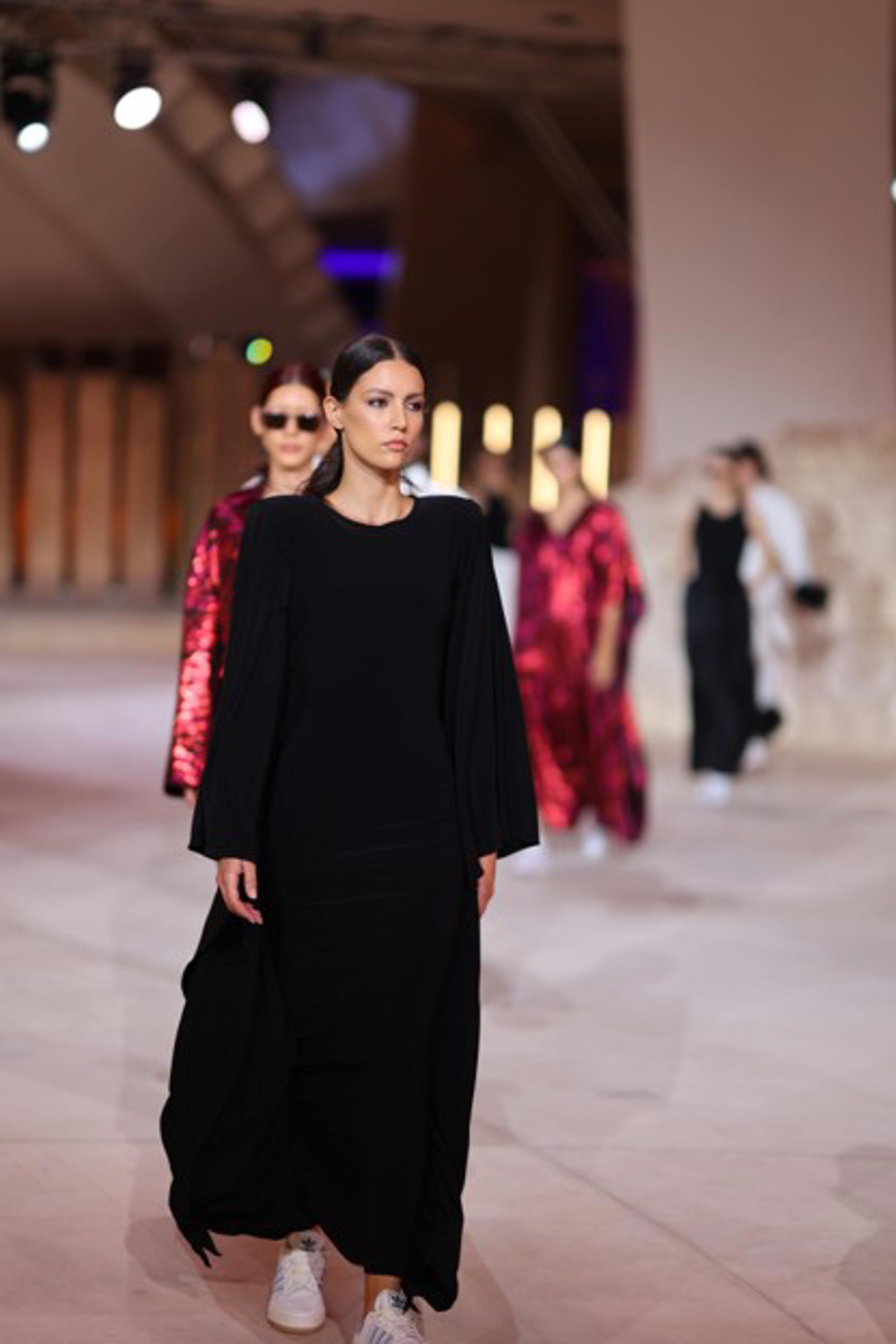
First, the Model Casting Initiative, launched in late 2024, establishes a centralized, professionalized local talent database. It provides structured training pathways that empower local models to lead high-end runways and premium editorial campaigns for both international and domestic luxury houses according to global technical standards.
Second, the Fashion Specialized Content Creation Program in Milan, launched in late 2025 and extending through 2026 in partnership with world-class institutions such as Fondazione Sozzani, polishes the skills of mid-career professionals in the Italian fashion capital. The program focuses on advanced brand identity, visual storytelling, and international digital communication for the luxury market. This commercial integration ensures that a premium product engineered, manufactured, and stored in Riyadh possesses the exact human and marketing capital required to be commercialized globally with maximum aesthetic authority and brand equity.
Riyadh’s architectural dominance in global luxury
The evolution of Riyadh into a premier global luxury hub is not an accident of retail demand or temporary consumer surges; it is the deliberate result of a highly structured, capital-backed logistical and industrial overhaul orchestrated by the Saudi Fashion Commission. By integrating advanced climate-controlled special zones within Riyadh Integrated, state-backed digital manufacturing infrastructure, the institutionalized portfolio of the Saudi 100 Brands, and a highly systemized human capital pipeline, the Kingdom has constructed the structural backbone required to protect, scale, and multiply institutional luxury investments. For the global financial and fashion communities, the conclusion is clear: the silent machinery of luxury is fully operational in Riyadh, and it is engineered for long-term commercial dominance.