Sunday, 14 June, 2026
Turning creativity into an asset class
How JAX district is architecting a scalable cultural economy
Rahaf H.Q., Digital Editor at Inside Saudi
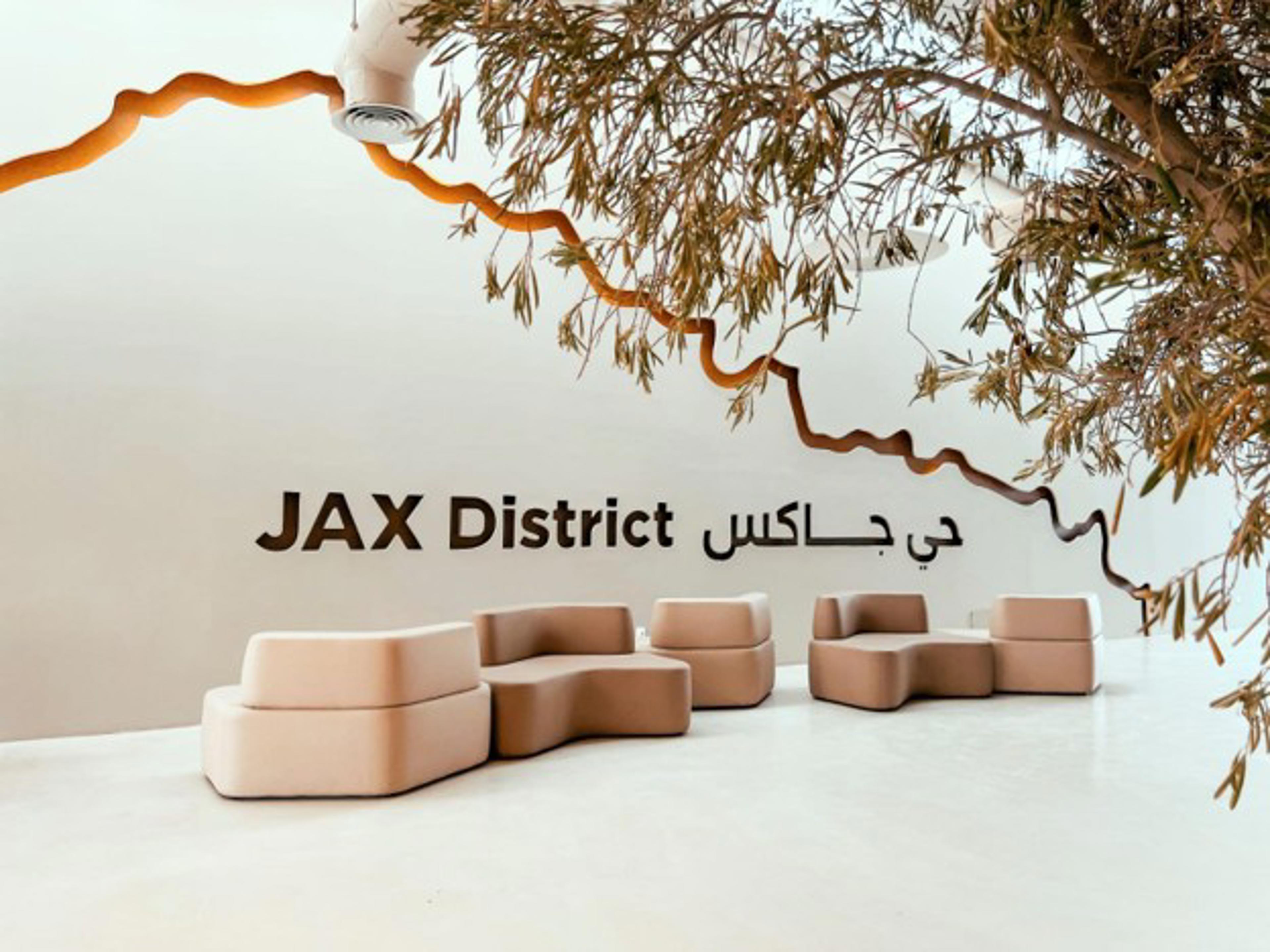
Saudi Arabia’s cultural economy is no longer an emerging proposition. It has become an operational reality shaped by institutional infrastructure, private sector participation, and longterm urban investment. Few places embody that shift more clearly than the JAX District in Diriyah.
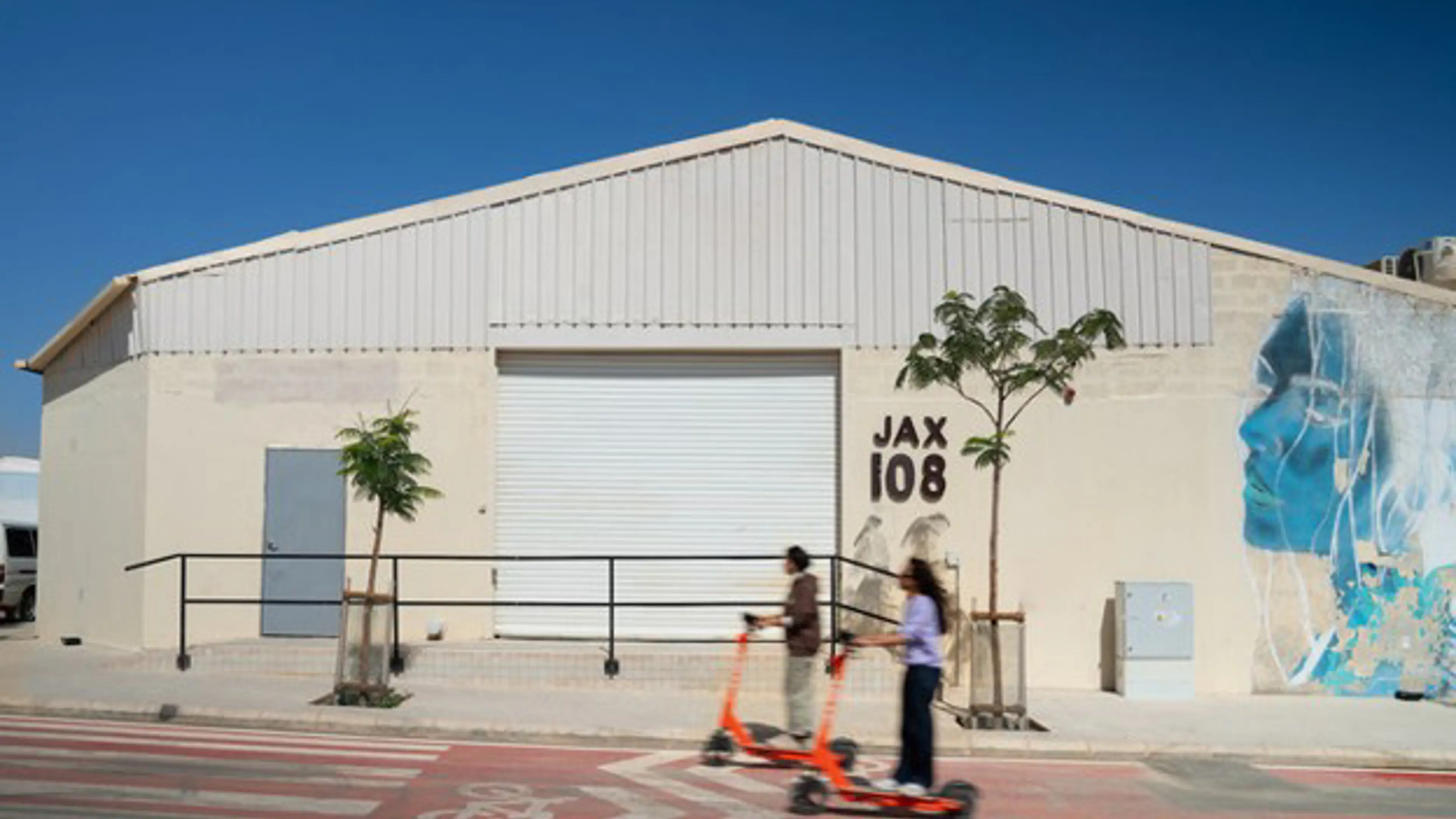
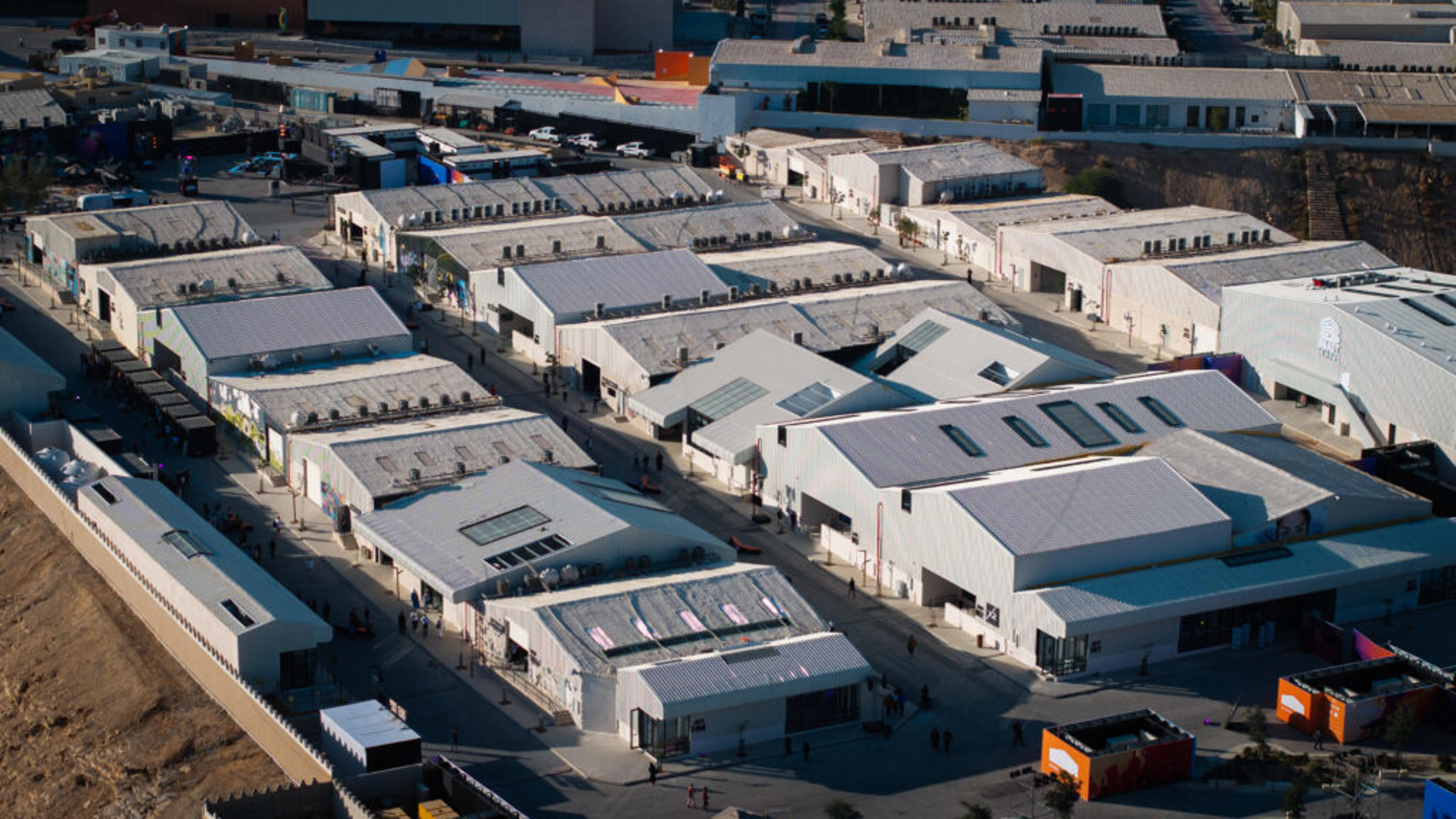
Once a quiet industrial cluster of manufacturing warehouses, JAX has been meticulously reengineered into a scalable engine for the Kingdom’s creative economy. For international operators, institutional investors, and brand partners, this ecosystem serves as a definitive case study in how Vision 2030 is operationalizing culture transforming raw creative expression into a long-term, institutionalized asset class built for sustained financial and social yield.
The power of adaptive reuse: Turning industrial infrastructure into competitive advantage
The foundational logic of JAX rests on a highly strategic real estate play: Adaptive Reuse. Rather than incurring massive initial capital expenditures (CapEx) and spending a decade building conventional, hyper designed museums from scratch, the Kingdom’s cultural planners identified an underutilized asset class former industrial warehouses and unlocked their latent value. Located alongside the multibillion dollar Diriyah Gate master plan within Wadi Hanifa, the location choice ensures that JAX is inherently wired into a broader, high traffic tourism and luxury ecosystem.
Architecturally, the raw, industrial anatomy of these 100+ deeply retrofitted warehouses provides a massive logistical edge that modern office spaces or purpose built galleries simply cannot match:
• Volumetric sizing: Ceiling heights soaring between 6 to 9 meters offer a dramatic vertical canvas capable of hosting largescale, immersive digital art and complex spatial scenography.
• Structural integrity: Reinforced concrete floors built to bear heavy industrial tonnage allow heavy machinery, complex rigs, and monumental sculptures to be loaded and assembled with total operational fluidity.
By retaining this industrial shell while integrating advanced fiber optic networks, climate control, and smart grid acoustics, planners bypassed years of structural development. This optimization accelerated the timeline to commercial viability, allowing the asset to generate immediate cultural and financial returns.
Macro metrics: Driving the cultural GDP baseline
JAX does not operate in a vacuum; its performance metrics are directly mapped against the high stakes targets of the Saudi National Strategy for Culture:
• The 3% GDP target: The ultimate benchmark is to elevate the cultural sector’s contribution to Saudi Arabia’s gross domestic product to 3% by 2030 (up from an estimated baseline of roughly 1% at the inception of Vision 2030).
• 100,000 high skilled jobs: The state aims to cultivate and sustain a highly specialized knowledge economy. JAX serves as the physical incubator for these professionals ranging from lighting tech experts and art conservators to creative directors and museum strategists.
The PPP model: Monetizing the creative value chain
The true structural innovation of JAX lies in how it balances public-sector enablement with private-sector execution. Moving away from a legacy framework where the state functions as the sole patron and funder, the Ministry of Culture has stepped into the role of market regulator and infrastructure provider. The actual execution is left to a robust Public-Private Partnership (PPP) model.
This commercial vitality is reflected in the district’s 100% occupancy rate, strategically allocated across three core pillars that monetize the cultural value chain:
1. Institutional anchors: anchor tenants such as the Diriyah Biennale Foundation establish the district as a global command center, drawing continuous international prestige, curators, and elite collectors to the site.
2. Commercial creative firms: private architecture practices, high-end recording studios, design agencies, and commercial galleries occupy premium square footage. Here, art is not just displayed; it is brokered, collected, and managed as an alternative asset.
3. The experience economy: premium culinary concepts and concept stores line the avenues. These high-end retail and hospitality brands capture daily footfall, turning a cultural pilgrimage into a consistent commercial loop.
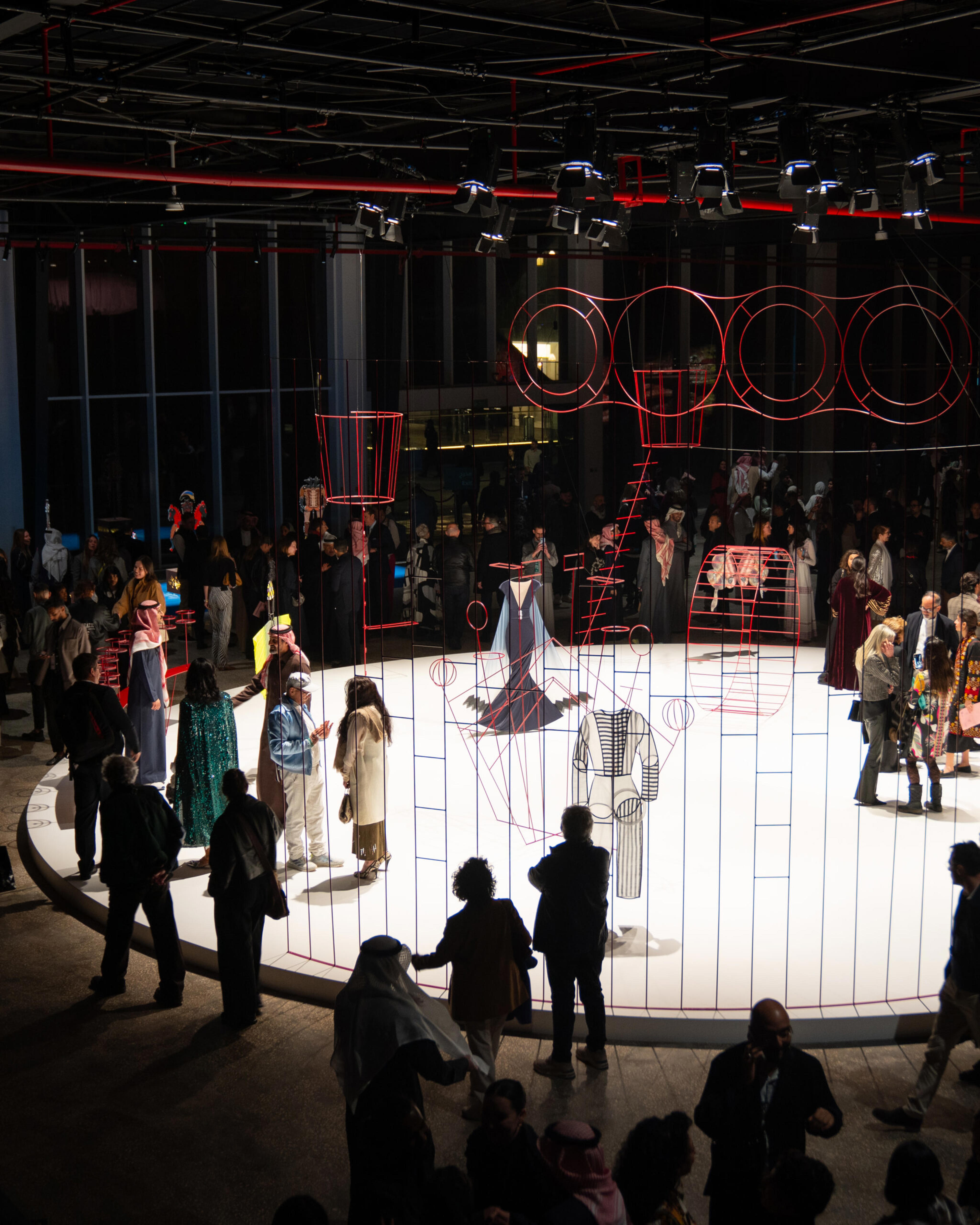
Proof of concept: Logistical excellence on a global scale
The institutional strength of JAX has already been tested and proven through high-density global events that demand flawless operational execution:
• Noor Riyadh: The world’s largest light art festival utilizes JAX’s cavernous indoor spaces for highly sensitive, darkroom digital installations that require total environment control, attracting millions of visitors citywide.
• XP Music Future: This premier music industry conference convenes over 150 international music executives, policymakers, and investors annually, transforming raw warehouses into sophisticated sound stages and regulatory panel rooms.
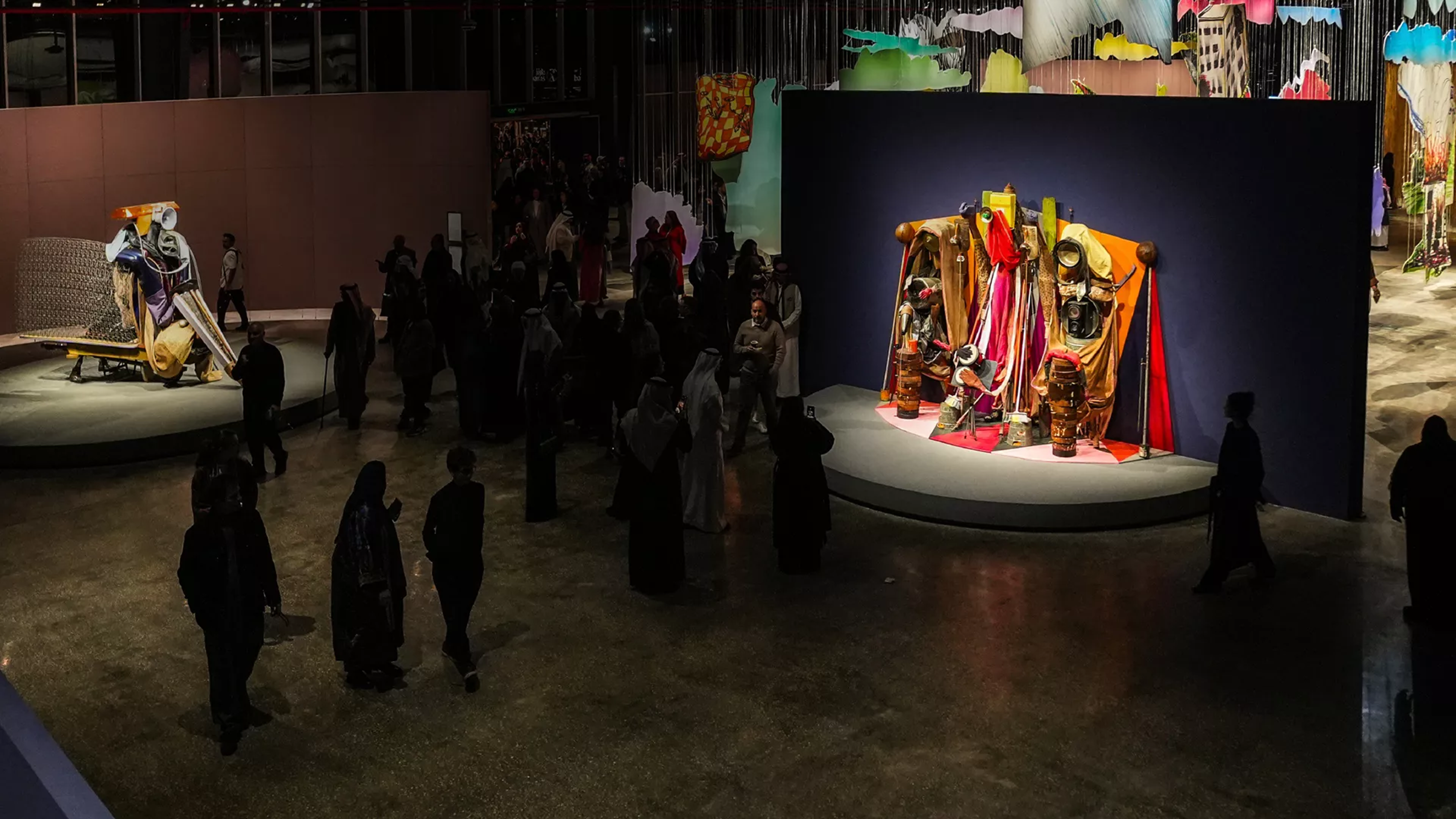
• The Diriyah Contemporary Art Biennale: A landmark moment on the global art calendar that attracts institutional museum directors, international press, and high networth collectors, anchoring Riyadh firmly on the global cultural tourism map.
By clustering creators, producers, financiers, and consumers within a single, highly walkable geographic perimeter, JAX successfully slashes transaction costs and accelerates the velocity of creative capital.
Sustaining the knowledge capital
Ultimately, the long-term viability of JAX is secured by its commitment to human capital. Through permanent infrastructure like the JAX Arts Studios which run rigorous international artist in residence programs and the integration of academic entities like the Royal Institute of Traditional Arts, the district ensures a constant supply of industry ready talent. It bridges the critical gap between academic training and real-world commercial output.
JAX District proves that Saudi Arabia’s cultural ambitions are not built on fleeting public relations momentum. Instead, the Kingdom has built a structured, resilient, and highly repeatable blueprint for economic diversification. For global stakeholders, JAX stands as a powerful signal that Saudi Arabia's creative sector is open, systemized, and thoroughly investable.