Wednesday, 07 October, 2026
Building the World’s Next Financial System
At Money20/20 Middle East in Riyadh, Nora Al Bakr, Deputy Governor for Financial Innovation at the Saudi Central Bank, outlined how disciplined regulation, open banking and emerging technology are shaping the Kingdom’s next financial chapter.
Inside Saudi
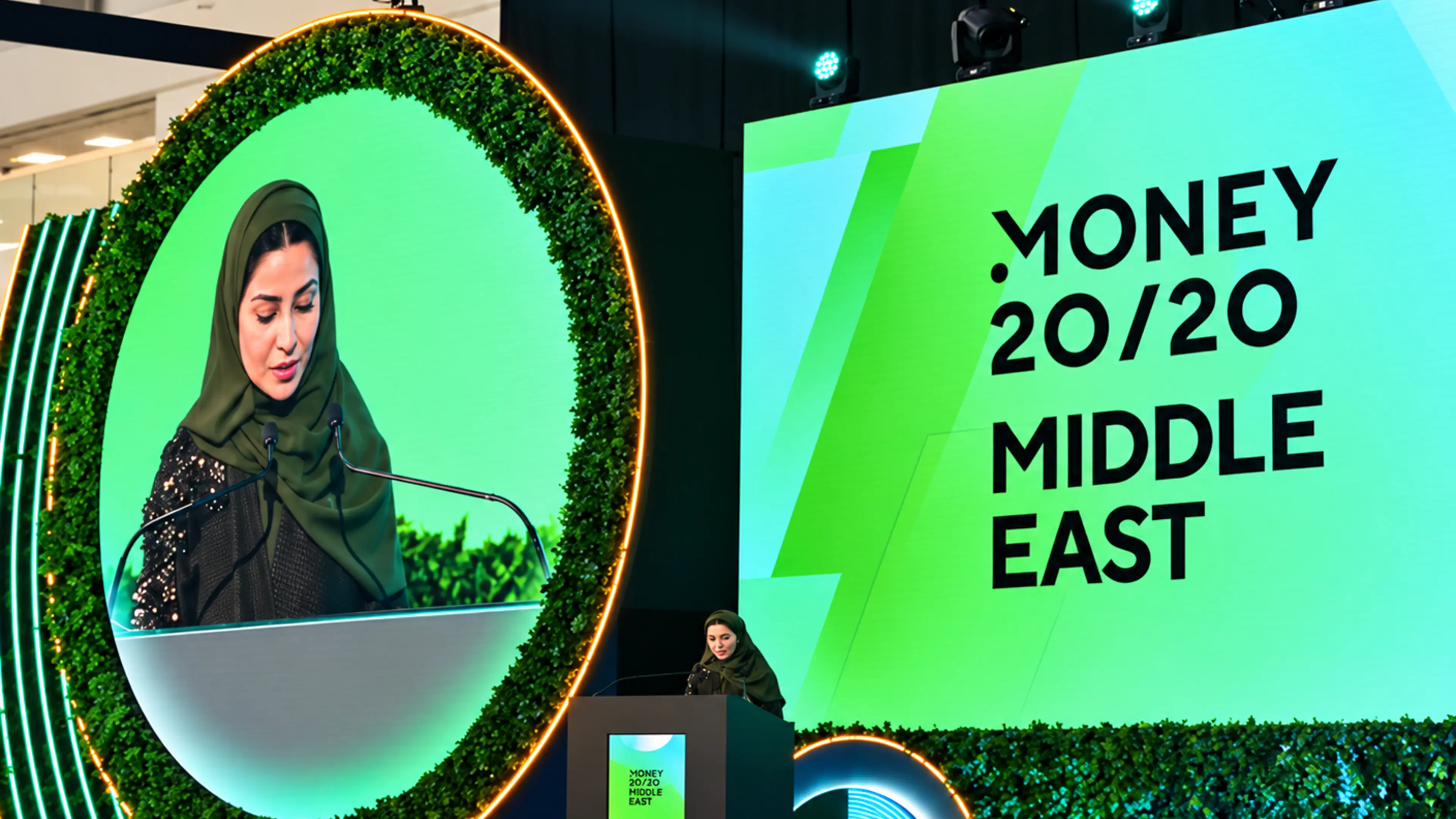
Nora Al Bakr, Deputy Governor for Financial Innovation at the Saudi Central Bank (SAMA), delivering her keynote at Money20/20 Middle East in Riyadh.
Saudi Arabia’s financial sector is moving from the widespread digitisation of payments towards a more connected and intelligent ecosystem. In her opening keynote, Building the World’s Next Financial System: From Vision to Reality, Nora Al-Bakr set out how the Saudi Central Bank, known as SAMA, is managing that transition while protecting monetary stability and institutional trust.
Her central message was that stability should not be viewed as a constraint on innovation. It is the foundation that allows new financial services to develop at scale. SAMA’s approach follows a deliberate sequence: capacity before scale, rules before diffusion, evidence before regulatory decisions and readiness before emerging technologies become systemic.
A fintech sector gathering momentum
The scale of Saudi Arabia’s fintech expansion illustrates the pace of change. Al Bakr said the number of fintech companies operating in the Kingdom had risen from only 10 in 2018 to a staggering 371 by the end of August 2026. Cumulative investment in the sector had exceeded SAR 30 billion by the end of the second quarter of the year.
That growth forms part of the wider Financial Sector Development Program under Vision 2030, which aims to build a diversified and digitally enabled financial system. The next stage is not simply about increasing the number of products or providers. It is about establishing the standards, infrastructure and regulatory clarity required for innovation to remain durable.
Turning controlled testing into regulation
SAMA’s Regulatory Sandbox plays a central role in that process. Since its launch in 2018, more than 800 companies have applied across areas including open banking and supply chain finance. The sandbox allows new models to be tested within a controlled environment, giving the regulator evidence on customer outcomes, operational resilience and potential risks before activity is expanded across the market.
Al Bakr described this as a model of regulating ahead of risk. SAMA has concluded sandbox testing for supply chain finance and begun work on a formal licensing framework after tested activity exceeded SAR 1.4 billion. The process demonstrates how experimentation can lead to regulation and, ultimately, wider market adoption.
Open banking delivers measurable results
Open banking provides one of the clearest examples of this approach. Following successful sandbox testing, SAMA began licensing fintech companies to provide account information services. More than 10 million bank accounts are now connected through open banking services, according to figures presented during the keynote.
The impact is already measurable. In selected use cases, credit-limit approval rates increased from 26% to 58%, while the time required to reach a credit decision fell from three days to four hours. SAMA also plans to pilot the first payment-initiation service use cases by the end of 2026, extending open banking from the secure sharing of financial information towards the initiation of transactions.
For consumers and businesses, the value lies in faster decisions, more tailored services and greater competition. For the regulator, the priority remains ensuring that connectivity is built on common standards, clear consent and appropriate accountability.
Preparing for autonomous finance
The next frontier is autonomous finance, in which artificial intelligence can influence or make financial decisions. This creates opportunities for greater efficiency and personalisation, but it also raises fundamental questions about responsibility. As Al Bakr emphasised, accountability must remain explicit even as systems become more autonomous.
SAMA is building practical experience through bounded applications. These include an AI-based tool to support the processing of fintech applications and a prototype machine-readable rulebook designed to make regulatory requirements easier for digital systems to interpret. Such initiatives allow the regulator to assess new capabilities in a controlled setting before they become embedded across the financial system.
From innovation to trusted scale
SAMA’s strategy points towards a financial ecosystem defined by interoperable networks, embedded services and increasingly intelligent systems. Reaching that destination, however, depends on trust: customers must understand how their information is used, institutions must remain accountable and regulators must be able to respond as technology evolves.
International engagement will also remain important. SAMA continues to work with overseas authorities and global standard-setting bodies as financial technology becomes more interconnected across borders.
For companies and investors, Saudi Arabia’s opportunity lies not only in the pace of digital adoption, but in the disciplined route from testing to regulated scale. By combining ambition with evidence-led regulation, the Kingdom is building the foundations for financial innovation that can move quickly without weakening the stability on which lasting growth depends.
Next: Riyadh Turns to Energy
Following LEAP and Money20/20 Middle East, attention now turns to another sector central to Saudi Arabia’s economic story.
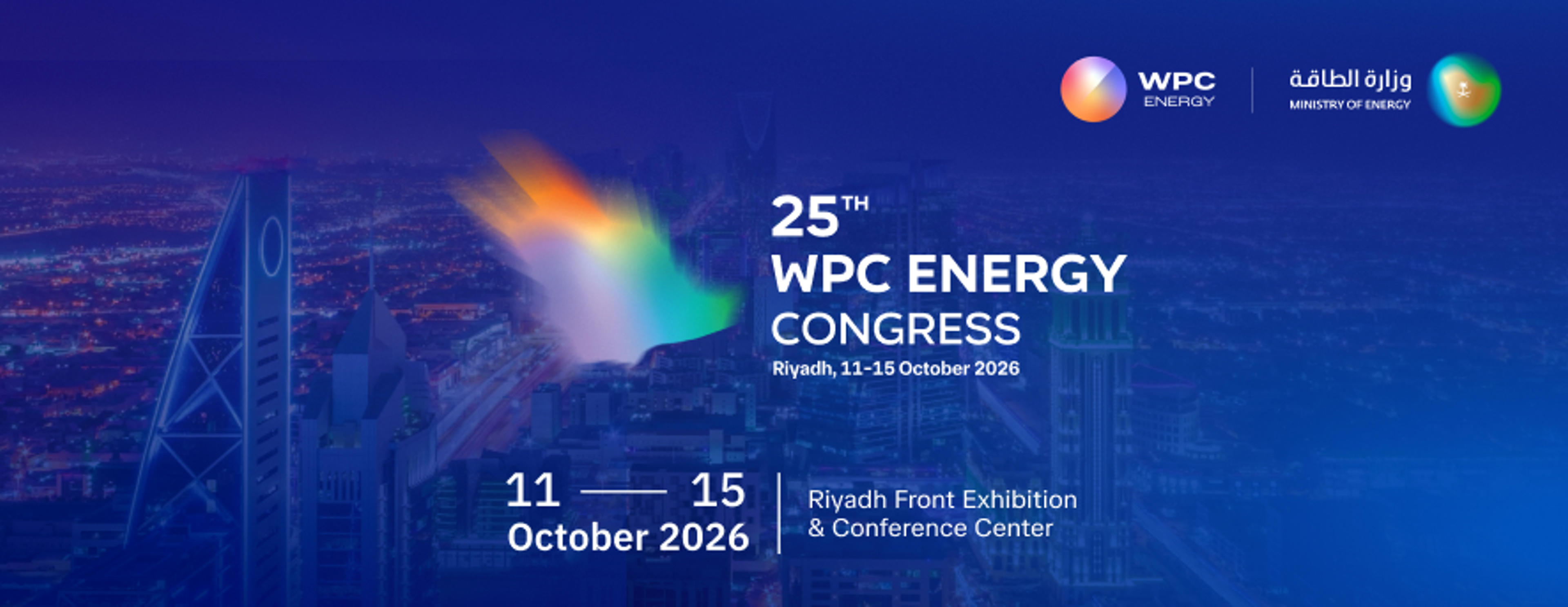
Next week, Riyadh will welcome the 25th WPC Energy Congress, taking place from 11–15 October 2026 at the Riyadh Front Exhibition & Conference Center.
The Congress will bring together energy ministers, CEOs, industry leaders and experts from around the world to explore the forces shaping the future of the global energy industry and the role of innovation, investment and international collaboration in its continued evolution.
Inside Saudi will be on the ground as an Official Media Partner, capturing perspectives from across the Congress and continuing our coverage of the people, industries and investment opportunities shaping the Kingdom’s next chapter.
Inside Saudi | Stand 5061, Hall 5
25th WPC Energy Congress | Riyadh | 11–15 October 2026